

Let Splawn Sales Help You Be The Envy Of The Neighborhood
Nothing says summer like a healthy, lush yard. A beautiful lawn takes work, dedication, and regular watering, but it’s always worth it the minute you step outside. Splawn Sales can help get your lawn in shape for summer. Whether you’re starting fresh with a new plot of land or looking to repair some damage, we have the best sod for sale in the Tyler area.
Purchasing sod and repairing or rebuilding your lawn is both an investment of time and money. It pays to know what kind of grass grows best in the area, and what kind of grass your property will be able to sustain.
East Texas lawns thrive when planted with warm-season grasses, like St. Augustine. These perennial grasses are best planted during the spring when the growing season begins. During the winter, most of the warm-season grasses will go dormant and lose color.
Each species of grass thrives in different types of soil. They’ll also withstand different amounts of traffic. In the end, keeping a beautiful, lush lawn comes down to selecting the right species of grass for your property and your family.
If you’re not sure what kind of sod is best for your property, the team at Splawn Sales can help you pick the perfect sod for your soil, shade, and needs.


If turf grass becomes too dry in its dormant stage, it can and will die. In fact, more Texas turf is lost during winter to desiccation (complete dryness) than to freeze damage. Be sure to water your lawn at least once every three or four weeks during winter if there hasn’t been enough rain or snow. A dry lawn is likely to be damaged more by low temperatures than a well-watered lawn.
As the lawn starts to break out of dormancy and green up in later winter and early spring, it’s critical to keep it well watered. Turf grass is composed of plants that generate new roots, stems, and leaves during this transitional time.
2 TIMES A YEAR
MARCH – MAY
Gray Leaf Spot is a blotchy spot on the grass blade leafs. (mostly on St. Augustine lawns) Use fungicides with active ingredients like Daconil, Consan or Banner.
AUGUST – October
To control the dreaded brown patch fungal disease (symmetrical brown circles in the grass), use a systemic lawn fungicide. Apply at the first sign of disease and reapply as needed, typically 2–3 times, following label instructions.
Insecticides should only be applied when a problem is present. Be prepared for chinch bugs from spring to early summer and grub worms from late summer to early fall. Damage may appear as irregular-shaped spots in the lawn along concrete areas. Spot-treat with a liquid insecticide and follow with a granular application if needed, per label instructions. Area needs constant monitoring.
4 TIMES A YEAR
Late February - Early March
Apply a simple 15-5-10 for an early green-up. Most companies that make slow-release fertilizers also make a non slow-release 15-5-10 that provides for a quick two-week green up before we get to the heart of the fertilizer schedule.
Late March - Early April
Apply slow-release 3-1-2 ratio fertilizers.
Late June - Early July
Apply slow-release 3-1-2 ratio fertilizers. (recommended formulations 19-5-9, 19-4-10, 18-4-6, 15-5-10.)
June - September
If turf grass looks yellow (chlorosis) or necrotic, use an application of either granular or liquid iron. Once a year should be enough.
October - November
Apply winterizer formulas for winter hardiness. Ratios vary, but make sure they are “winter” or “fall” formulas designed for southern grasses. (examples: 18-6-12, 8-12-16, 10-5-14) Will make lawns winter-hardy.
3 TIMES A YEAR
(Pre-Emergent controls to prevent weeds)
Late October - Early November
Use pre-emergent herbicides, to prevent the weeds that we experience in February and March.
February - March
Use pre-emergent controls for grassy weeds again, to prevent such weeds as Crabgrass, Goosegrass and Dallisgrass from popping up late in the spring and summer.
May - Early June
One more application of a grassy pre-emergent will keep fall weeds from invading from August on.
Our inventory of East Texas grass and sod is all farm-grown. We select our sod for its health and color.
We have a selection of different shades, so if you’re looking for a particular shade of green we can oblige.
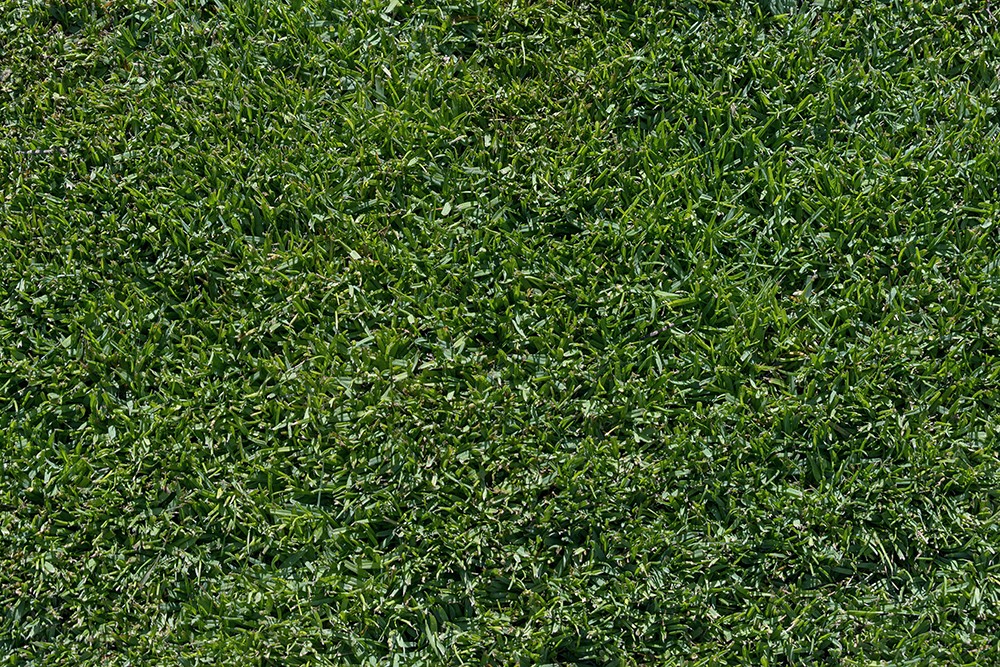
St. Augustine is one of the most popular grasses in East Texas. It provides a thick carpet of grass that doesn’t leave room for weeds to grow. It doesn’t seed very well, though, so if you start getting bald spots you’ll need to resod.
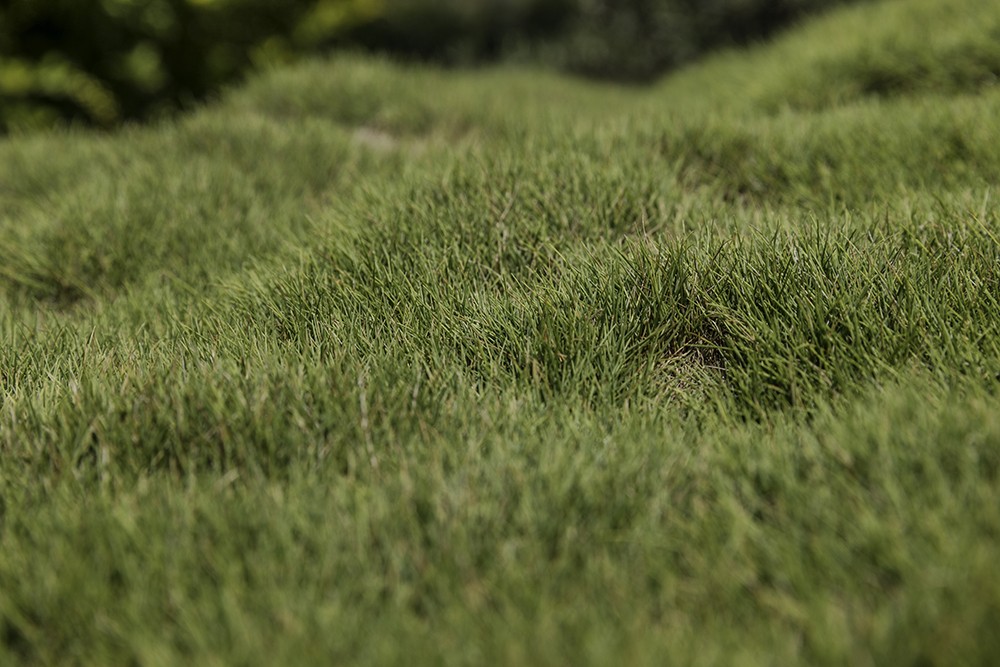
Bermuda Grass is native to tropical and subtropical regions around the world. It’s incredibly resistant to drought, heat, and salt. It requires a lot of sun to thrive, though, so if your property has a lot of trees it may struggle.
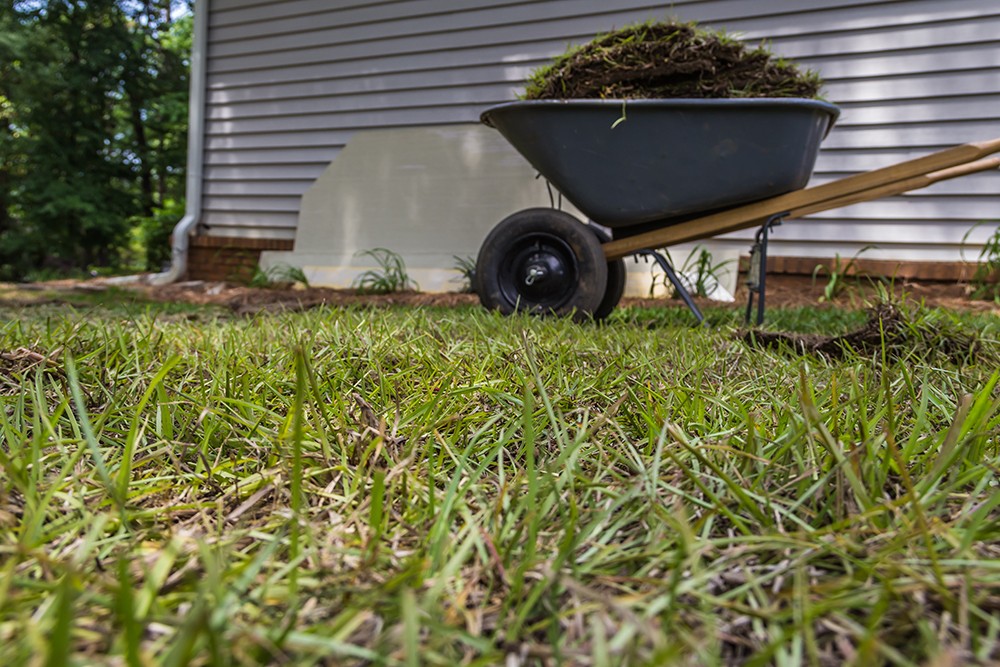
If you need help getting your site prepared to lay sod, Splawn Sales has you covered. We’re able to clear plots and fill in ditches and holes.
We’ll leave you with a nice, flat surface for you to lay sod and start building a beautiful, lush yard.
 © 2026 Splawn Sales | Visit Us On Facebook